

You can’t hold space for others without having somewhere to be held.
Which is why I’m here—to give you the tools and space you need, so you can continue to do what you do best, without the exhausted nervous system, chronic burnout and compassion fatigue that comes with being a therapist and healthcare provider.
Burnout in therapists isn't simply a failure of self care; it's connected to deeper patterns of disconnection, over-functioning, and emotional isolation.
My work focuses on helping you reconnect with those internal signals, I integrate somatic and cognitive approaches so we can pay attention to both what you know and what your body is telling you. This work isn’t about pushing through. It’s about restoring capacity, so your work — and your life can feel sustainable again.
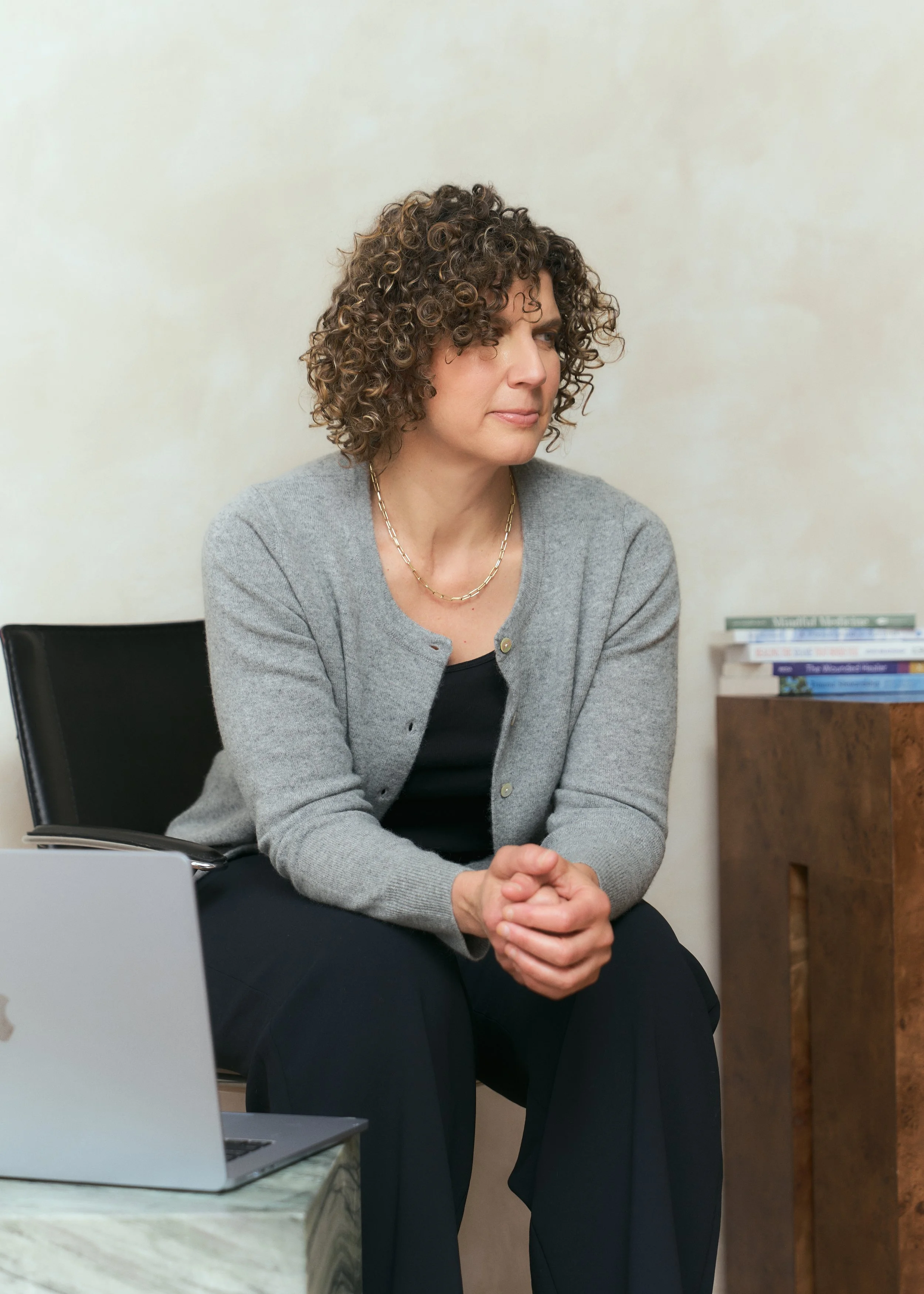
I'm Christine — a therapist, researcher and educator.
For more than 20 years, I've worked with the people who carry the most: therapists, healthcare professionals, high achievers and deep feelers.
I've seen how easy it is for capable, compassionate people to become disconnected from their own needs while continuing to show up brilliantly for everyone else.
My approach goes beyond symptom management and the usual advice around self-care.
Instead I can help you develop the awareness needed to create lasting change.
Therapy + coaching for the challenges nobody warns clinicians about
ONE TO ONE SUPPORT
The work we do irrevocably changes us and the disconnect from the self of the seasoned clinician can be ominous and insidious — you weren’t trained for this, nor were you warned about it.
You weren’t prepared for the quiet burnout, compassion fatigue, secondary trauma or empathy fatigue.
Which is why together we will help you find a newer version of you, that can this work in a more sustainable, somatic, embodied way where you can heal beyond symptom management and productivity-based outcomes.
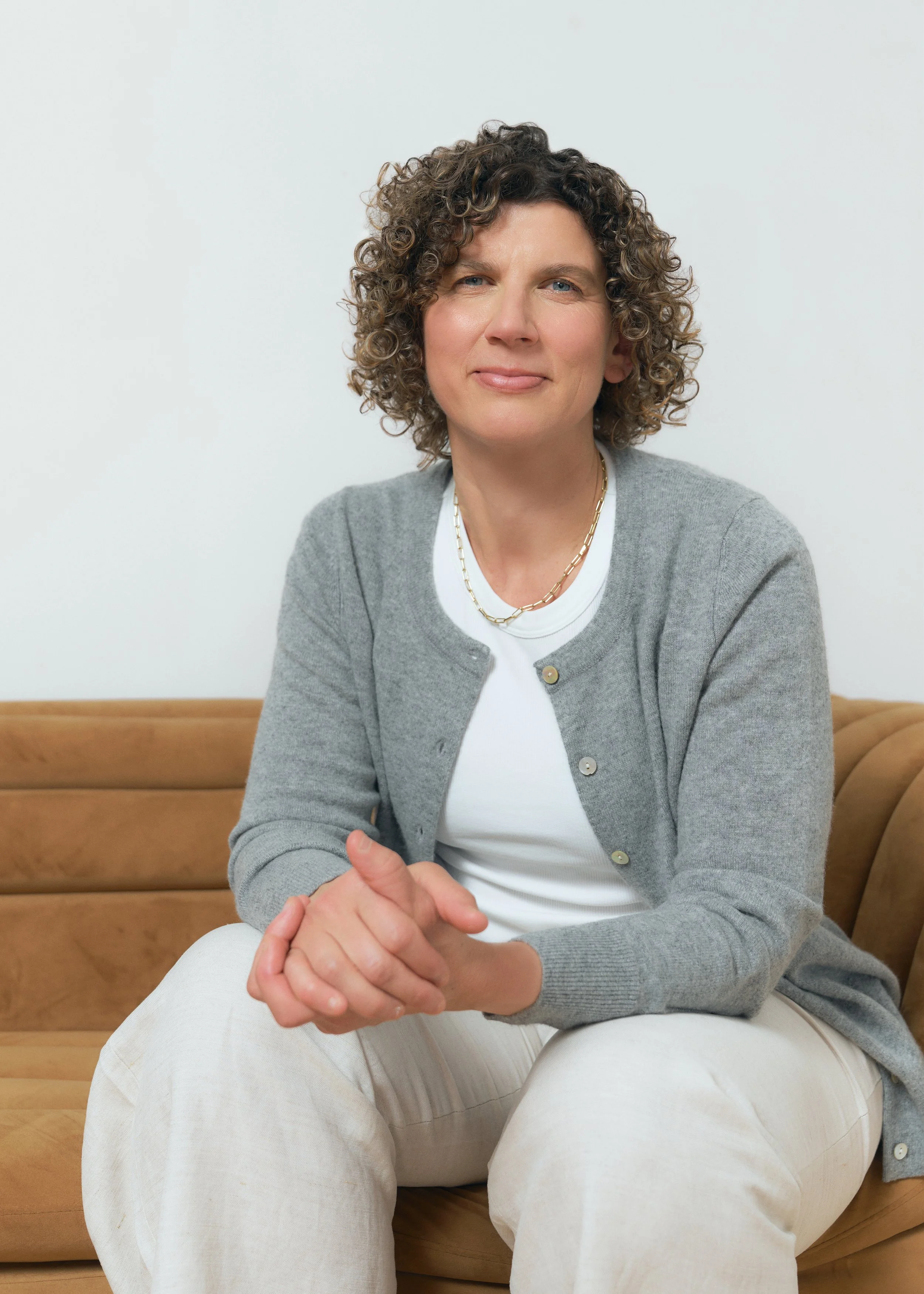
There’s not a neat line you cross over, declaring your identity as a therapist, once you receive your license. In many ways you’ve always been ‘the therapist’.
The attuned one in your family, the peacemaker in your friend groups—the watcher and reader of rooms. You were Christopher Robin nurturing Pooh, protecting Piglet and managing Tigger, the complex identifying with all the characters in your lives coming instinctively to you, whether you were aware of it or not to begin with.
Giving Clinicians The Tools To Recover From Burnout & Compassion Fatigue
—
Giving Clinicians The Tools To Recover From Burnout & Compassion Fatigue —
RECENT BLOGS
There wasn’t a disclaimer on my degree or a warning in any of my grad school classes, you know, the small print that should have read; people may act weird, treat you differently, expect more, lean on you or be shocked that you’re human, when you tell them you’re a therapist. But there should have been.
Currently On My Mind:
We’re trained to sit with trauma all day. We can hold space, co-regulate, track micro-shifts, ground, mobilize, all within moments, We see our clients in ways they need to be seen, hold transitional space. Feel what is felt or not felt. We love the work.
We appear calm. Connected. Human.
And when we are done with work, we may get in our cars and feel nothing…